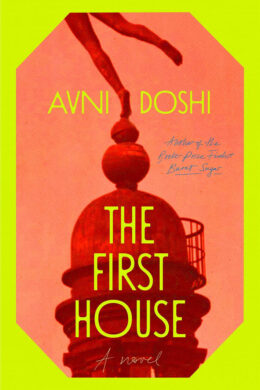
This novel begins at the moment the narrator’s husband tells her that he no longer wants to be married. He tells her in the bedroom that they have shared for thirteen years, and the narrator experiences it as a physical catastrophe, imagining her head has been severed from her body. Her husband speaks calmly, listing reasons for his unhappiness: their frequent fights, her anger and resentment, his growing dread of coming home, and his belief that marriage itself is a flawed institution. He insists that he still loves her and their two daughters, that families do not break but simply change, and that this decision is something he has been considering for a long time. The narrator listens in shock, struggling to breathe, and asks if he is seeing someone else. He avoids the question, continuing instead to justify his decision. When he lies down on his side of the bed and falls asleep with visible relief on his face, she goes downstairs and cries alone.
The following morning, the narrator wakes on the sofa and watches her daughters move quietly around the house, careful not to disturb her. She tries to convince herself that her husband is simply going through a crisis, exhausted by work, disappointed by his career, and fearful of aging. She reflects on her own physical and emotional depletion after giving birth to their children and the way her writing career has stalled. She believes that this moment can still be corrected, that astrology explains his restlessness, and that their marriage can survive. When her husband appears, he behaves almost normally, greeting the children and preparing to take them out for bagels, as he does every Saturday. The narrator follows him from room to room, pleading for therapy and insisting that this is not who he really is. He dismisses her, telling her she does not know him, and suggests they finish the weekend as usual. Enraged and desperate, she calls him a liar and a coward.
Left alone after he drives away with the children, the narrator panics about her future. She imagines herself abandoned, financially insecure, and incapable of surviving on her own. Her body begins to fail her: her hands are cracked, her grip weak, her sense of stability gone. She feels as though she is falling endlessly. Over the next days, she oscillates between trying to please her husband and suppressing her rage. She cleans, irons his clothes, freezes fruit before it spoils, and attempts to appear calm and agreeable, but her efforts only make him more distant and suspicious. Inside, she stops eating properly, forgets to drink water, develops acid reflux, and becomes afraid of the dark. At night, she paces barefoot in the garden while the rest of the house sleeps.