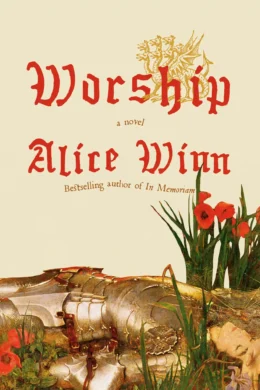
Alice Winn’s Worship opens not with anticipation but with certainty. Sir Tristram knows he is about to die. He has been told so by Sir Palomides, the knight who now stands over him with a sword. Isode the Fair is with Tristram as he bleeds, frantic with grief, while Tristram, unable to speak, reflects that all he has ever wanted was to be someone who would be missed. Palomides hesitates only long enough to ensure the killing is done “properly,” and then drives his sword into Tristram’s heart. This scene establishes the novel’s fatalism and its central triangle of love, rivalry, devotion, and betrayal, before the narrative moves backward to explain how such an ending became inevitable.
The story then begins again, properly, with Isode the Fair in Ireland, at her father’s court. Isode is intelligent, proud, and unusually independent, raised under the protection of her uncle Sir Marhalt, the greatest knight in Ireland. Her closest companion is Brangwayne, her handmaiden and dearest friend, whose emotional intimacy with Isode borders on inseparable devotion. Isode’s life is structured by ritual, prayer, learning, and the expectation that she will eventually make a powerful marriage.
That expectation centers on Sir Palomides, a renowned knight admired across Christendom. He is courteous, disciplined, and revered for his prowess, yet he remains unchristened, a Saracen by birth. Palomides loves Isode and courts her respectfully, but he delays marriage because he has sworn that he will not be baptized until he has fought seven “noble battles” worthy of God. Isode accepts this delay with impatience and hope, believing Palomides’s faith and honor will eventually align with her own future.
Continue Reading for Free
Enter your email address to unlock the article and keep reading it for free.