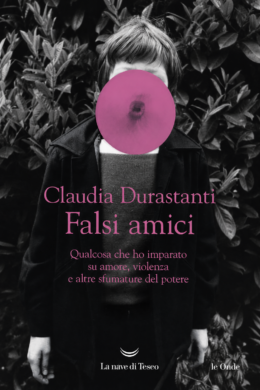
Prologo
Durastanti opens with an animal fable about writing essays. A Stork decides to abandon fiction for essays, but first meets other literary animals: a novelist tired of narrative traps, a peacock-like public confessor looking for new pain to display, hens fighting over whether egg-laying is biology or philosophy, ants excavating forgotten female ancestors, and self-assured male birds heading to television studios to pontificate with minimal preparation. The prologue mocks literary trends: autofiction, trauma performance, feminist genealogies, panel culture, male intellectual ease, and the demand that writers always have a “position.” The Stork finally decides that essays must find a middle road between vain exposure and saintly detachment.
1. Del maiale non si butta via niente
This chapter begins from pink: the pastel pink of a poor childhood friend’s house, the pink of Barbie, the pink of pig flesh, and the pink of poverty. Durastanti recalls being fifteen, left alone at home in a dirty house with no food except pork rind. A friend cooks the cotiche, and for a brief moment poverty feels like freedom: if this is the bottom, then anything is possible. But that freedom quickly becomes shame.
From there she reflects on working-class writing and the figure of the “class transfuge.” She argues that the literature of social mobility — leaving home, becoming educated, entering culture — belongs to a historical moment that may be over. She discusses Dickens’s Great Expectations, Gatsby, Ernaux, Eribon, Édouard Louis, Ocean Vuong, DeLillo, Ferrante, autofiction, journalism, and the economics of writing. Her main point is that writing about past poverty can become a form of literary capital if it is detached from present class struggle. By the end, she says the pig has been fully consumed: even the bones have been boiled down, and there may be no story left to extract.
Continue Reading for Free
Enter your email address to unlock the article and keep reading it for free.