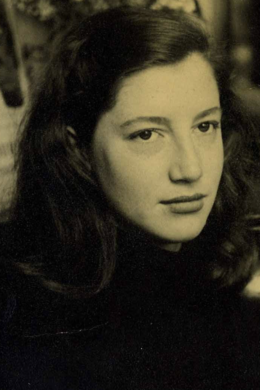
Fall-Girl is a brittle, self-conscious novel about a nameless Australian woman in London who keeps mistaking male attention for rescue and then narrating the mistake with enough wit to disguise how repetitive the pattern is. The book wants to be sharp about exile, sex, class, art, female humiliation, single motherhood, and romantic self-delusion. Instead, it circles the same scene again and again: a woman meets a man, imagines transformation, sees herself reflected in his attention, then crashes back into the shabby flat, the baby, the unpaid bills, the bad stockings, and the knowledge that nothing has actually changed.
The frame is one night with Theodore Furneau, a famous married American painter who is leaving London the next morning. The narrator is in bed with him, trying to be calm and worldly while wanting him to become destiny. He tells her he has always fallen in love with very young girls, the “starry eyes” kind, and that he will never leave his wife because she is never uninteresting to him. The narrator pretends to understand, but immediately imagines the wife conveniently dying or disappearing. That is the novel’s emotional structure in miniature: the narrator knows the fantasy is pathetic and still cannot help feeding it.
Theodore is not even especially available. He is kind, old enough to be paternal, celebrated enough to make her feel chosen, and temporary enough to make the whole night glow with false intensity. They invent imaginary futures in Scotland and France, but every fantasy comes with a built-in refusal. He can imagine taking her as far as France, but only as a fake gesture. He can enjoy her talk, her body, her flat, her youngishness, her cleverness, but the morning is always waiting. The book never lets the reader forget that this is a one-night arrangement, yet it also spends pages treating it as revelation.
Continue Reading for Free
Enter your email address to unlock the article and keep reading it for free.