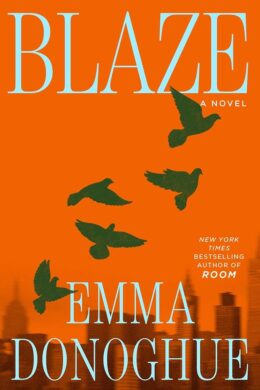
Blaze is a post-apocalyptic animal novel told entirely from the point of view of a young female pigeon. Its setting is a ruined future New York, though the pigeons never call it that. Manhattan is “the island of towers,” Central Park is “the great green rectangle,” cars and boats are “rusties,” humans are “talls,” and the Statue of Liberty is only a strange giant metal tall holding up a pretend flame. The result is part survival story, part ecological fable, and part coming-of-age novel.
Blaze lives with her flock in an abandoned tower near the southern end of the island. The world is cold, hungry, broken, and dangerous. The flock survives by rules, sayings, and shared instinct. At night they huddle for warmth. The young and unpaired birds sleep wherever there is room, while pairmates stay close. Blaze is named for the white dash on her forehead; she is dark-feathered, alert, curious, and more thoughtful than most of the flock. Her closest companion is Loop, a large female pigeon with a string tangled around one foot. Blaze’s brother is Icy, pale and vulnerable to the cold. Her parents, Pearl Eyes and Spiky, are experienced breeders. Other key flock members include Old Ashy, harsh but wise; Old Scarlet, gentle and ancient; Crest, Featherleg’s son; Fitser, who suffers fits; Plump; Stumps, who has no toes; and the quarrelsome brother-pair Greensheen and Purplish.
The first section establishes the flock’s way of life. The pigeons forage through the overgrown city, pecking at seeds, berries, frozen scraps, buds, and anything edible. They fear hawks, peregrines, gulls, cats, raccoons, rats, weather, bad food, and above all the starving humans who live lower down in the tower. These “talls” hunt pigeons for food. Blaze knows the flock’s old rules: “No pigeon lives long alone,” “Stay too long, get caught,” and “Fly away, live another day.” At first, those sayings seem enough.