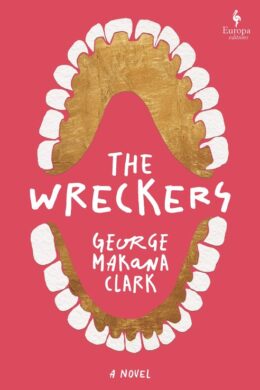
The Wreckers is a sprawling historical-adventure novel, mock-archive, slave-trade epic, pirate story, war satire, prison-break caper, ghost story, and metafictional meditation on how violence repeats across generations. It begins with documents and artifacts, then keeps widening until Angola, Mozambique, Cuba, Louisiana, Portugal, the Atlantic slave trade, Jean Lafitte, Hurricane Andrew, Angola Prison, and the Angolan Civil War all become part of one immense pattern.
The first frame is Lisbon, 1954. Vicenta, an archivist in the Portuguese military archives, meets Nuno Bárbaro de Castro, a small, odd genealogist with bad dentures and a professional hunger for relics. He comes to read the final will and testament of Garoto Bárbaro, an imprisoned nineteenth-century man whose objects have been passed down through Vicenta’s family. Garoto’s old jailer, Soldier Vicente, was her ancestor. Nuno brings pastries as a bribe, reads the will, reacts intensely to mentions of the lost African kingdom of Mbálá, then steals the document while Vicenta is eating outside.
The will itself becomes the novel’s first great embedded narrative. Garoto Bárbaro writes from prison in Sofala in 1874. He was born around 1800, the enslaved mixed-race son of Urbano de Castro, a Portuguese colonial official and pseudo-scientist. As a child, Garoto is taken from his mother, apprenticed to a Malay brightsmith, and trained as one of Sofala’s brutal “boxing boys.” His baby teeth are pulled so he will not choke on them in the ring. He becomes a famous child fighter, “the Wild Boy of Sofala,” but his father eventually drugs him during a rigged fight to win a bet. Garoto survives, then takes revenge by using the brightsmith’s tongs to pull out Urbano’s teeth. The brightsmith sets the father’s teeth into brass dentures for Garoto and Garoto’s child teeth into dentures for Urbano, binding father and son grotesquely through each other’s mouths.
Continue Reading for Free
Enter your email address to unlock the article and keep reading it for free.