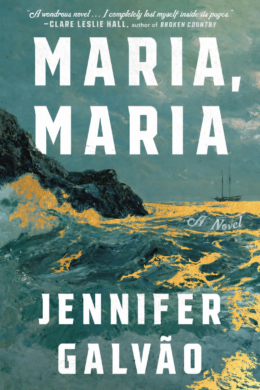
This is a historical novel about love, exile, violence, women’s correspondence, marriage, loneliness, and the Portuguese White Fleet cod-fishing world of the early 1950s. It is built around three central figures: Benedito da Silva, called Bene; his wife Maria Lucilia da Silva, called Cilia; and Maria Alvares, a widowed Portuguese shopkeeper in St. John’s, Newfoundland. The title matters because both women are Maria: one is the wife left behind in Portugal, the other the lover who receives Bene in Newfoundland. The novel gradually becomes less about choosing between them than about the way the two women come to know each other through letters, jealousy, confession, and grief.
The story begins in Murtosa, Portugal, in 1949. Bene is twenty, newly married, and joyfully cycling home at night through the cornfields to Cilia, who waits for him on the doorstep. A stranger named Afonso Gomes stops him on the road, accuses him of riding illegally in the dark, and chases him. Bene runs home. Cilia tries to drive the man away, but Gomes brutally beats her with a piece of wood. Bene kills him in self-defense.
Legally, morally, the killing should be simple: Gomes attacked Cilia and might have killed her. But Portugal under Salazar is not a place where justice is simple. Gomes comes from a powerful family with connections to the regime and possibly to the secret police. Bene’s family and local patron Dom Felix know the Gomes family will never accept the excuse of self-defense. So Bene is smuggled away. He signs on for seven campaigns with the Portuguese White Fleet, sailing to Newfoundland to fish for cod. It is a kind of exile disguised as work. He leaves Cilia only months into their marriage.
Continue Reading for Free
Enter your email address to unlock the article and keep reading it for free.