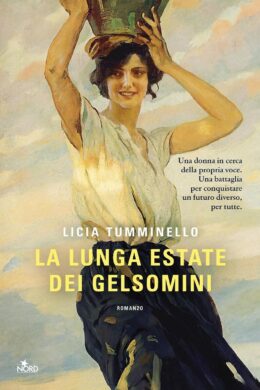
Licia Tumminello’s La lunga estate dei gelsomini is a historical novel set primarily in Milazzo, Sicily, during the final months of 1945, with an epilogue extending into the summer of 1946. It follows Grazia Costa, a twenty-three-year-old jasmine picker whose personal awakening becomes inseparable from the first organised rebellion of the women working in the jasmine plantations. The story combines labour history, a secret love affair, sexual violence, domestic oppression and the political changes accompanying the birth of the Italian Republic.
The narration alternates between third-person chapters following numerous characters and first-person chapters written in Grazia’s voice. The ending reveals that these first-person sections form a diary she is composing for the daughter she will eventually name Assunta.
In June 1945, Grazia lives in the seaside district of Acqueviole with her husband Michele. Every night during the flowering season, she leaves their bed shortly before midnight and walks with the other women towards the vast plantation owned by Baron Liborio Puglisi. Jasmine must be picked as soon as it opens and before the rising sun ruins its fragrance, so the women work through darkness, cold, humidity and clouds of insects. Many bring young daughters to help and babies tied to their backs or sleeping inside baskets.
Continue Reading for Free
Enter your email address to unlock the article and keep reading it for free.