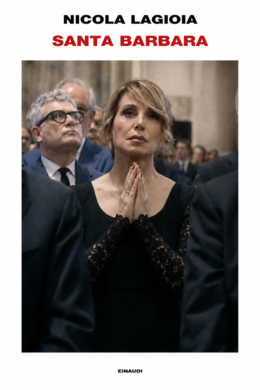
Santa Barbara is a multigenerational southern Italian family saga about poverty, desire, migration, work, money, betrayal, religious myth and the way children inherit the ruins made by adults. It begins in Capurso, near Bari, with Nunzia Battista, a poor sixteen-year-old girl, watching Nicola Epifania from under a carob tree while he fails to control a flock of sheep. The opening judgment is brutal and prophetic: “Che buono a nulla.” Nicola is weak, awkward, poor, fatherless in spirit, and already marked as someone who will be carried by events rather than command them.
Nunzia first meets Nicola in the house of the deputy mayor, where she has come with her mother, Maria Battista, who sells oil and vegetables door to door. The house is full of people because the clothes of the statue of Santa Barbara have arrived; every spring the saint is restored and prepared. Nunzia and Nicola are left alone in the dining room. They are both young, confused and attracted to each other. The encounter is abrupt, physical, not exactly romantic: he touches her, pushes her onto the table, and afterward they separate in confusion.
The first pages immediately place the private act inside a world of female labor, animal slaughter, superstition and social surveillance. Nunzia sees smoke rising from a brazier and feels that the future is already there, but unreadable. Soon she faints at the washhouse and begins vomiting. At night, beside her brother Orazio, she realises she’s pregnant. “Capì di essere incinta“, she says. She tests Nicola by watching him with the sheep again and understands that he is not a man who leads; the flock governs him.
Continue Reading for Free
Enter your email address to unlock the article and keep reading it for free.