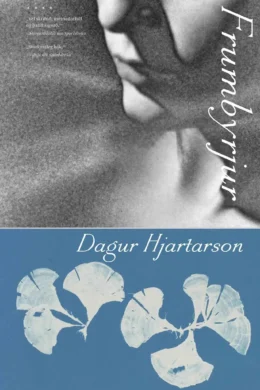
Frumbyrjur is a short, intense rural novel set on a remote Icelandic farm called Kölduhamrar, mostly over Christmas Eve and Christmas night. It is about birth, infertility, marriage, bodily fear, rural labour, masculinity, shame, tenderness, supernatural intuition, and the way new life can arrive mixed with death. Its title means something like “first-time mothers,” and the book centres on two linked births: a cow giving birth to a calf, and Magga giving birth to her first child.
The novel begins with the sentence that the cow goes into labour on Christmas Eve. Magga is heavily pregnant, though she is not due for several more weeks. She and her husband Guðmundur have waited for a child for many years. Their marriage has been shaped by this long failure to conceive. For a long time, “nothing” has been between them: no child, no language for grief, no easy physical closeness. Now Magga is pregnant at last, and the pregnancy has changed everything. Her body feels like the only way she knows the world. Every cramp, heat wave, backache and movement of the child makes the world itself expand, tighten or go strange.
Guðmundur is a sheep farmer, careful, proud and deeply attached to his livestock records. He writes in the farm book about the weather, feeding, sheep, breeding and daily work. He is proud that his sheep produce more meat than average. He worries about getting Magga out of the fjord after New Year so she can wait for the birth with Stefanía, because the road may be blocked by snow. He imagines driving home with Magga and the baby in his Bronco, the child wrapped in an old crocheted blanket given to him decades earlier by Helga. This image comforts him. But he is also frightened, because his fingers are going numb and beginning to tremble. Life seems to be withdrawing inward from his extremities. His hands, the tools by which he farms, writes and touches, are failing him.
Continue Reading for Free
Enter your email address to unlock the article and keep reading it for free.