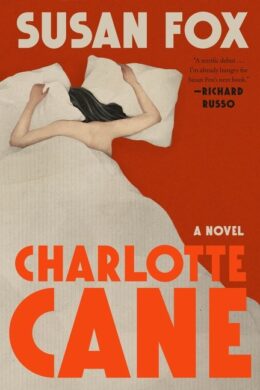
Charlotte Cane is a literary psychological novel about fame, memory, authorship, exploitation, ageing, #MeToo, and the stories people tell about harm in order to survive it. Its protagonist, Charlotte Cane, is a sixty-four-year-old celebrated fiction writer whose new collection has unexpectedly been longlisted for a major literary prize. On the surface, she is enjoying a late-career triumph. Underneath, she is sleepless, vain, defensive, frightened of irrelevance, and haunted by an old scandal involving a former student named Gabriel Sarafin.
The novel opens with Charlotte on the final night of her book tour, giving a reading in Denver. She reads her most famous story, “Thirst,” a work based partly on her time in Romania in 1980 but polished into fiction over decades. Audiences always ask whether it “really happened,” and Charlotte gives her usual answer: truth is perspective. She is tired of performing herself, tired of selling her voice and body, but she also feeds on the admiration of readers.
After the reading, instead of going to bed, Charlotte accepts a drink from a grey-haired woman who claims to have been one of her students. The woman says she went by Anna and studied with Charlotte in New York in 1993. Charlotte does not remember her clearly, though the woman knows unnerving details: Charlotte’s brownstone, her insomnia, her old editor Ivan Toth, and finally the name Gabriel. Charlotte panics. She flees to her hotel room, then comes back down to find the woman gone. That night she searches online and learns that Ivan Toth, her longtime editor and mentor, has just been accused of sexual harassment. The year is 2018, and literary men are falling publicly. Charlotte tells herself Ivan’s behaviour was not so bad, that younger women are exaggerating, that not every hand on an ass is a catastrophe. But the encounter with Anna has opened something she has spent twenty-five years keeping sealed.
Continue Reading for Free
Enter your email address to unlock the article and keep reading it for free.