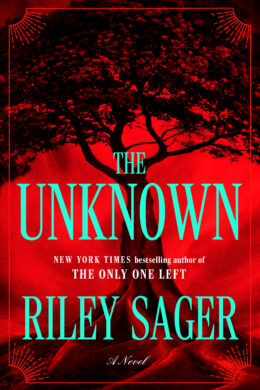
The Unknown unfolds through the perspective of Marin Keane, a struggling, largely anonymous actress whose life abruptly changes when she is cast in her first feature film. Marin has spent years hovering on the margins of success, defined by small theatrical roles and a humiliating pharmaceutical commercial, and she carries deep insecurities about her talent, her appearance, and her worth. Her sudden casting feels less like triumph than accident, a sense reinforced by the secrecy surrounding the project and the fact that she is replacing another actress at the last minute. From the beginning, the novel frames success as something unstable and precarious, especially for women whose careers depend on the desires and whims of others.
The film Marin has been cast in is directed by Ronan Peters, a celebrated auteur known for his “method directing,” which involves immersing actors in conditions mirroring those of their characters. The film is based on the real-life mystery of New Avalon, an isolated island in Vermont where five women vanished in 1926 while participating in a spiritualist retreat. These women, led by Ruth Hume Semple, were believed to have been conducting séances when something went catastrophically wrong, leaving behind only their clothing, hung from the branches of a massive oak tree. The mystery was never solved, and it has lingered in local folklore as a tale of witchcraft, madness, or supernatural intervention.
Ronan insists that the cast spend five days on New Avalon itself as part of preproduction, living without modern technology and inhabiting the same buildings the historical women once occupied. The intention, he claims, is authenticity. For Marin, however, the decision feels immediately unsettling. Her unease intensifies when she receives ominous text messages from Lindy Garrett, the actress she replaced, warning her not to set foot on the island. These messages introduce an early sense of threat that remains ambiguous: they could be expressions of jealousy, genuine concern, or something more sinister.
Continue Reading for Free
Enter your email address to unlock the article and keep reading it for free.